









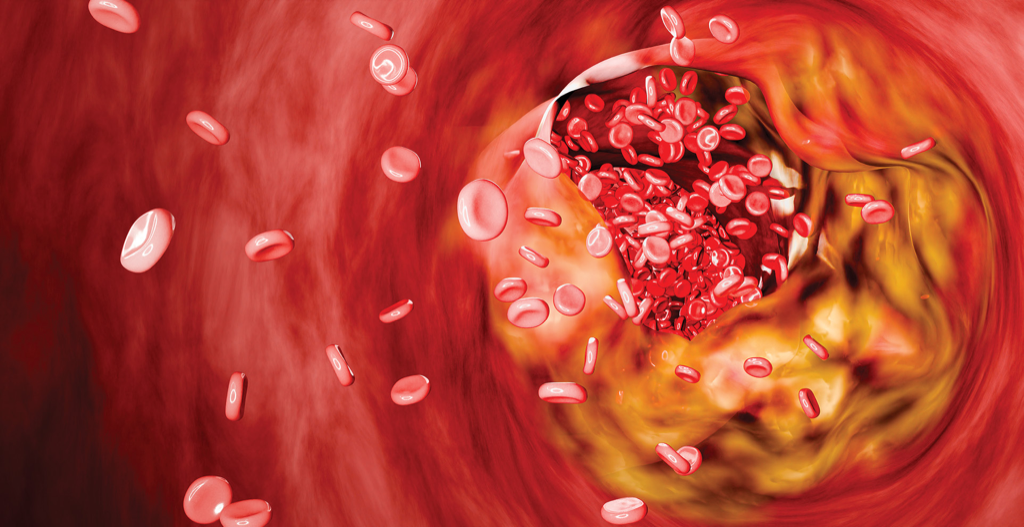
Low-density lipoprotein cholesterol remains central to atherosclerotic cardiovascular disease prevention, but contemporary lipid assessment extends beyond a single measurement. New guidance incorporates lipoprotein(a), apolipoprotein B, triglyceride-rich particles, coronary artery calcium, and updated cardiovascular risk assessment, while an expanding therapeutic armamentarium offers opportunities to address persistent risk.¹,²
Lowering low-density lipoprotein cholesterol (LDL-C) remains one of the foundations of atherosclerotic cardiovascular disease (ASCVD) prevention. Yet contemporary lipid management is becoming considerably more nuanced than simply determining whether LDL-C is above or below a threshold. The 2026 American College of Cardiology/American Heart Association (ACC/AHA) multisociety guideline on dyslipidaemia represents a substantial update in this regard. It replaces the 2018 cholesterol guideline and broadens the clinical focus from cholesterol alone to the spectrum of atherogenic lipoproteins contributing to cardiovascular risk.¹
Among its major changes are renewed LDL-C and non-high-density lipoprotein cholesterol (non-HDL-C) treatment goals, use of the PREVENT-ASCVD equations for primary prevention, measurement of lipoprotein(a) [Lp(a)] at least once in adulthood, selective use of apolipoprotein B (ApoB), and a greater role for coronary artery calcium (CAC) scoring when treatment decisions remain uncertain.¹
The result is a more individualised approach to dyslipidaemia in which LDL-C remains essential but does not always tell the complete story.
LDL cholesterol remains the foundation
The broader approach should not be interpreted as diminishing the importance of LDL-C.
Cumulative exposure to atherogenic lipoproteins contributes to the development and progression of atherosclerosis, making both the magnitude and duration of exposure clinically important. The 2026 guideline consequently places greater emphasis on earlier identification and treatment of dyslipidaemia to reduce lifetime exposure.¹
Statins remain first-line pharmacological therapy for most patients in whom LDL lowering is indicated because of their established efficacy, outcome evidence, accessibility, and extensive clinical experience.¹,²
One notable change is the return of explicit treatment goals alongside percentage LDL-C reduction. In secondary prevention, the 2026 ACC/AHA guideline recommends an LDL-C goal below 55mg/dL (1.4mmol/L) and non-HDL-C below 85mg/dL (2.2mmol/L) for patients at very high risk of ASCVD events. For patients with clinical ASCVD who are not at very high risk, LDL-C below 70mg/dL (1.8mmol/L) remains an important goal.¹
These lower goals reinforce a central principle: patients with the greatest absolute cardiovascular risk generally stand to gain most from intensive lipid lowering.
Risk assessment is changing
Primary prevention requires a different challenge: deciding who is likely to benefit from pharmacological treatment before ASCVD becomes clinically apparent. The 2026 guideline replaces the older Pooled Cohort Equations with the American Heart Association PREVENT-ASCVD equations for adults aged 30-79 years without established ASCVD or subclinical atherosclerosis.¹
PREVENT was developed and validated using data from more than six million adults and incorporates contemporary cardiovascular, kidney, and metabolic information.³ It estimates 10-year cardiovascular risk, with additional models capable of estimating longer-term risk and HF outcomes.
Under the new dyslipidaemia guideline, 10-year PREVENT-ASCVD risk is categorised as low (<3%), borderline (3% to <5%), intermediate (5% to <10%), or high (≥10%).¹
Risk calculation, however, is only the beginning. Family history, chronic inflammatory disease, reproductive factors, persistently elevated LDL-C, biomarkers, and other risk-enhancing features may alter the interpretation of an individual’s calculated risk.¹
This allows treatment decisions to move beyond an algorithmic threshold towards a more personalised assessment of lifetime exposure and clinical context.
Coronary calcium can refine uncertainty
When the decision to initiate or intensify lipid-lowering therapy remains uncertain, CAC imaging can provide additional information about subclinical atherosclerosis.
The 2026 guideline expands the role of CAC scoring in selected adults, including men aged ≥40 years and women aged ≥45 years, to improve risk classification and guide LDL-C and non-HDL-C goals.¹
The presence and extent of coronary calcification provide direct evidence of atherosclerotic plaque burden and may help reclassify patients whose conventional risk factors place them near a treatment threshold. CAC should not replace clinical assessment or routine lipid evaluation. Rather, its value lies in selected cases where knowing whether subclinical coronary atherosclerosis is present could materially alter the treatment decision.
Lipoprotein(a) enters routine assessment
Perhaps one of the most clinically important changes concerns Lp(a).
Lp(a) is a largely genetically determined lipoprotein associated with ASCVD and calcific aortic valve disease. Concentrations are relatively stable throughout adult life, meaning that a single measurement can identify an inherited source of cardiovascular risk that may otherwise remain invisible on a standard lipid profile.¹
The 2026 guideline recommends measuring Lp(a) at least once in all adults for ASCVD risk assessment. A concentration ≥125nmol/L or ≥50mg/dL is considered a risk-enhancing factor.¹
The significance extends beyond the individual patient. In people with familial hypercholesterolaemia, premature ASCVD, or high Lp(a), cascade testing of first-degree relatives is recommended to identify other family members at increased risk.¹
At present, an elevated Lp(a) should prompt particularly rigorous attention to modifiable risk factors and appropriate intensification of LDL-C lowering.¹ Dedicated Lp(a)-lowering therapies are an active area of clinical investigation, but treatment decisions should remain grounded in therapies with established indications and outcome evidence.
ApoB reveals particle burden
ApoB offers a different perspective on atherogenic risk. Each LDL, very-low-density lipoprotein, intermediate-density lipoprotein, and Lp(a) particle carries a single ApoB molecule. ApoB concentration therefore approximates the number of circulating atherogenic particles rather than the amount of cholesterol contained within them.¹
This distinction becomes important when LDL-C and particle number are discordant. A patient with T2D, metabolic syndrome, hypertriglyceridaemia, or other features of cardiovascular kidney metabolic disease may have numerous cholesterol-depleted atherogenic particles despite an apparently acceptable LDL-C concentration.
The 2026 guideline consequently considers ApoB measurement particularly useful in patients with elevated triglycerides, diabetes, very low achieved LDL-C, or established ASCVD when additional assessment of residual lipoprotein-related risk could influence treatment.¹
ApoB does not replace LDL-C. Instead, it can identify residual risk that may be underestimated when LDL-C is considered alone.
Triglycerides require context
Hypertriglyceridaemia represents another area where interpretation matters. Elevated triglycerides frequently accompany obesity, insulin resistance, T2D, excess alcohol intake, and other metabolic abnormalities. Persistently elevated levels should prompt evaluation of secondary causes as well as attention to diet, weight, physical activity, glycaemic control, and alcohol consumption.¹,²
For ASCVD prevention, statin therapy remains the pharmacological foundation in patients with persistently elevated triglycerides when treatment is indicated.¹
Very severe hypertriglyceridaemia creates a different clinical priority because of the risk of acute pancreatitis. At triglyceride concentrations ≥1000mg/dL (11.3mmol/L), triglyceride-lowering therapy and intensive lifestyle intervention may be required specifically to reduce pancreatitis risk.¹
The distinction is important: treatment intended to prevent pancreatitis should not automatically be assumed to provide equivalent ASCVD protection.
When statins are not enough
Contemporary lipid management increasingly involves combination therapy. For patients who do not reach appropriate LDL-C goals despite maximally tolerated statin treatment, additional options include ezetimibe, proprotein convertase subtilisin/kexin type 9 (PCSK9) monoclonal antibodies, bempedoic acid, and other therapies selected according to the magnitude of LDL reduction required, cardiovascular risk, tolerability, patient preference, cost, and access.¹,²
Bempedoic acid has strengthened the evidence base for patients unable to tolerate guideline-recommended statin doses.
In CLEAR Outcomes, 13 970 statin-intolerant patients with, or at high risk for, cardiovascular disease were randomised to bempedoic acid or placebo. The primary composite cardiovascular endpoint occurred in 11.7% of patients receiving bempedoic acid compared with 13.3% receiving placebo.⁴ The trial therefore demonstrated cardiovascular outcome benefit rather than LDL-C reduction alone.
Adverse effects nevertheless matter. Gout and cholelithiasis occurred more frequently with bempedoic acid, reinforcing the need to individualise therapy rather than regarding non-statin treatment as interchangeable.⁴
Statin intolerance requires careful assessment
Reported statin-associated symptoms remain a common obstacle to achieving appropriate LDL-C reduction.
A patient’s symptoms should be taken seriously, but apparent intolerance also warrants structured evaluation. Clinicians should consider the relationship between symptoms and treatment, dose, alternative causes, interacting medicines, and whether a different statin or dosing strategy might be tolerated.
The objective is to identify a regimen that provides the greatest achievable reduction in atherogenic lipoprotein burden without unacceptable adverse effects.
Where genuinely adequate statin therapy cannot be tolerated, contemporary non-statin therapies provide alternatives. The 2025 American Association of Clinical Endocrinology guidance and 2026 ACC/AHA guideline both reflect the expanding role of pharmacological options beyond statins.¹,²
Residual risk is broader than cholesterol
Even excellent lipid control cannot eliminate cardiovascular risk completely. Hypertension, diabetes, CKD, smoking, obesity, physical inactivity, inflammation, and other factors continue to influence ASCVD outcomes. Lipid therapy therefore needs to sit within comprehensive cardiovascular prevention rather than functioning as an isolated intervention.
The same principle applies within lipid assessment itself. A patient may achieve an apparently satisfactory LDL-C concentration yet retain risk related to ApoB-containing particle burden, Lp(a), triglyceride-rich remnants, or established subclinical atherosclerosis.¹
This does not mean that every patient requires every available biomarker or imaging investigation. The purpose of additional testing is to answer a clinically meaningful question: will this information change risk classification or treatment?
Conclusion
LDL-C remains fundamental to ASCVD prevention, but contemporary dyslipidaemia care increasingly recognises that cardiovascular risk extends beyond a single cholesterol value. The 2026 guideline brings Lp(a), ApoB, PREVENT-ASCVD risk assessment, CAC scoring, renewed lipid targets, and newer therapies into a more integrated approach.¹
For clinicians, the goal is not simply to produce a better lipid panel. It is to identify atherogenic risk more accurately and intervene early enough, and intensively enough, to prevent the cardiovascular event that might otherwise reveal it too late.